
The Five Movements Yin Yoga & Chinese Medicine Teacher Training with Emma Peel

After years of teaching Yin Yoga and working as an Acupuncturist, I became aware of a gap between what was being taught and what people were actually experiencing.
Many students believed they were failing because their bodies did not match the shape they were being asked to create. The pose had become the goal, and the body something to overcome.
A moment that stayed with me was a workshop with over thirty Yoga teachers. The teacher asked: “What do the hamstrings do?”
No one answered. It revealed something simple: we spend our lives inside our bodies, yet often do not understand them.
That question became the beginning of this training.
The Body is the Teacher
This training was never only about Yin Yoga. Yin Yoga gave me a way of slowing down and observing, but the deeper question remained the same: All experience, thought, emotion, relationship, change, is lived through the body. And yet, the body is often not central in how we are taught. If life is experienced through the body, then the body must sit at the centre of practice, not as form, but as lived experience.
For me, anatomy is not separate from spirituality. The body is where life is lived. This training places the body at the centre of everything we do, as experience, not as shape.
Why The Five Movements?
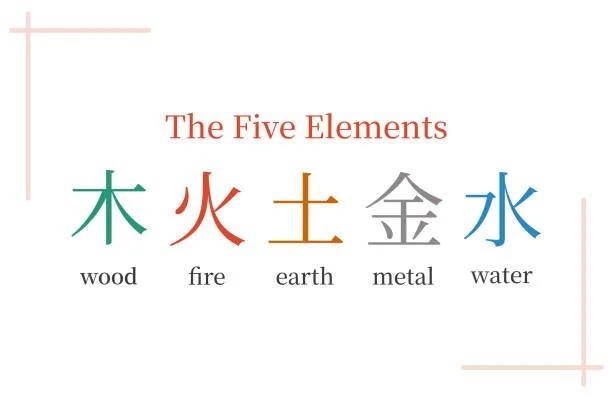
The Five Movements are not just a system of Chinese Medicine. They are a way of understanding life in cycles. Growth, expression, gathering, release, rest - these movements appear in seasons, health, relationships, and human experience.
This training is not about memorising a system. It is about learning to observe how life moves. The body becomes one doorway into that awareness. The heart becomes another.
The aim is not expertise. It is intimacy with life.
Anatomy gives us a language for structure.
Anatomy and Chinese Medicine are often taught separately. In lived experience, they are not.
One describes structure. One describes process.
A posture is not only physical. A sensation is not only mechanical. They are different ways of describing the same experience. Together, they offer a more complete understanding of the human being - as both structure and flow.
Teaching People, Not Postures
No two people enter practice in the same way. Some through sensation. Some through thought. Some through emotion, breath, or stillness. The posture is the same. The experience is not.
So the question becomes: How is this person meeting themselves right now? Teaching becomes less about alignment and more about relationship.
What We Explore Across The Seven Days
Yin Yoga foundations and functional anatomy
Skeletal variation and individual difference
The Five Movements and Seasonal Theory
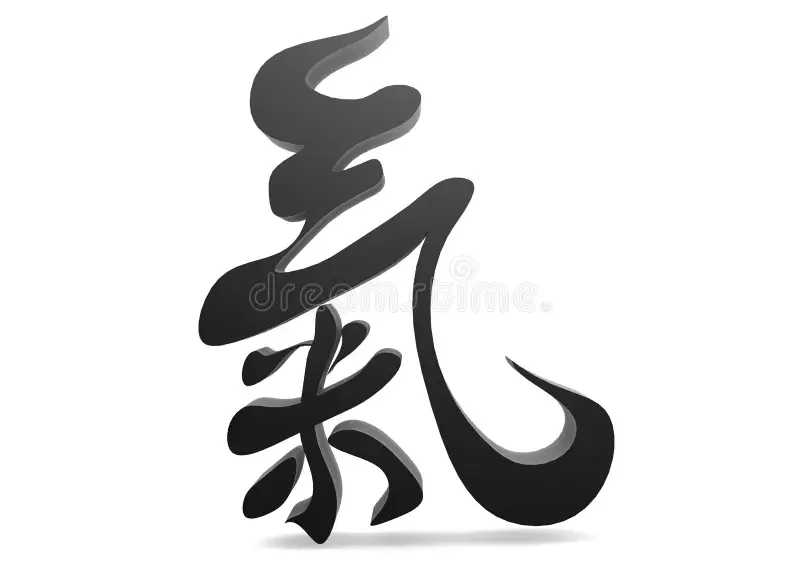
Yin-Yang Theory and Qi
Chinese Medicine and embodied experience
Adapting postures for different bodies
Teaching methodology and observation skills
Meditation and awareness practices
Teaching people rather than postures
Practical teaching experience and feedback
Day One – The Whole: Tao, Yin-Yang, Qi
Day Two – Wood: Spring, Liver & Gallbladder, growth and direction
Day Three – Fire: Summer, Heart & Small Intestine, expression and connection
Day Four – Earth: Centre, digestion, nourishment and stability
Day Five – Metal: Autumn, letting go, clarity and refinement
Day Six – Water: Winter, stillness, listening and restoration
Day Seven – The Whole: Integration and final teaching assessment